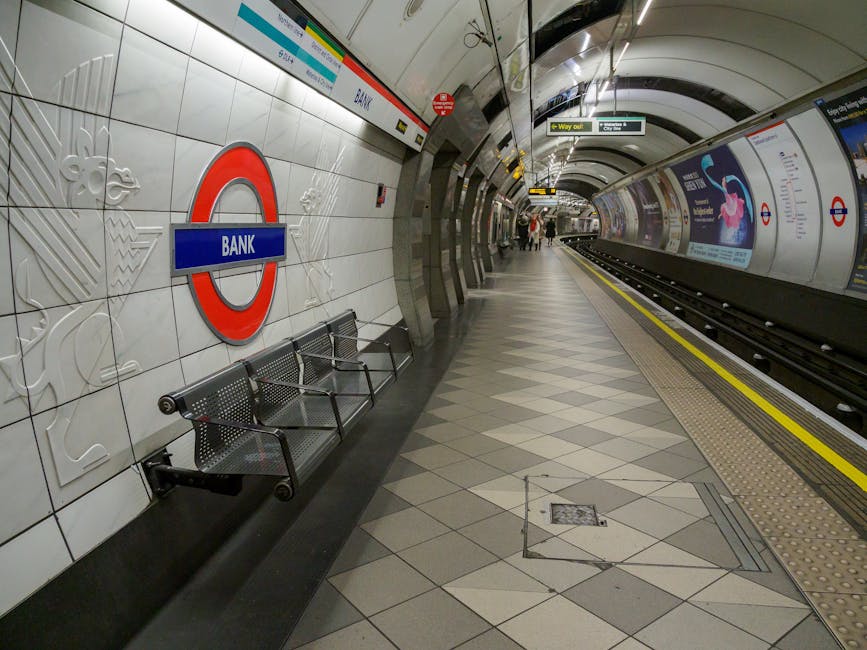
Emergency waste clearance Parsons Green tube station callouts: what happens, what it costs, and how to get it done fast
If you are dealing with an urgent pile-up of rubbish near Parsons Green tube station, you probably do not need theory - you need space back, and you need it quickly. Emergency waste clearance Parsons Green tube station callouts are exactly for those moments when waste becomes a live problem: a blocked access route, a sudden end-of-tenancy mess, an overfilled shop store room, or a construction spill that simply cannot wait until tomorrow. It sounds dramatic, but in London, a few bags, broken items, or a skipped delivery slot can snowball fast.
This guide explains how emergency clearance works, who it helps, how to choose the right method, and what to expect on the day. You will also find a practical checklist, a comparison of common options, and a few real-world pointers so you can make the right call under pressure. Let's face it, when the clock is ticking, clear information helps more than a vague promise.
Why Emergency waste clearance Parsons Green tube station callouts Matters
Waste issues near a busy transport hub are not just untidy. They can interfere with foot traffic, create nuisance smells, attract complaints, and get in the way of trades, customers, residents, or delivery drivers. Around Parsons Green tube station, access matters. Pavements are used hard, services run on tight schedules, and there is very little patience for an obstruction sitting there all day.
Emergency waste clearance is valuable because it deals with the immediate problem, not the ideal one. You may already know the long-term solution - a proper skip, a scheduled pickup, or a full clearance visit - but right now the issue is that waste is in the way. A fast response can protect your reputation, reduce stress, and stop a minor mess becoming a formal complaint or a missed deadline.
In practice, emergency callouts are often used when:
- rubbish is blocking a shop entrance, shared passage, or loading area
- a tenant move-out has left bulky waste behind at short notice
- builder's waste has built up faster than expected
- an office or commercial unit needs urgent clearance before reopening
- fly-tipped or dumped material needs removing promptly
There is also a human side to it. You can spend half a day trying to rearrange bags and boxes, or you can get a team in, clear the area, and get back to normal. Which one sounds less painful? Exactly.
How Emergency waste clearance Parsons Green tube station callouts Works
Most emergency clearances follow a fairly straightforward pattern, although the details vary depending on access, the type of waste, and how much needs moving. If the job is near a station, the first concern is often timing. Busy periods, parking limits, narrow streets, and pedestrian flow can all affect how quickly the team can work.
Usually, the process begins with a quick assessment over the phone or online. You describe the waste, the location, and whether the crew can park close enough to carry items out. For straightforward rubbish removal, a same-day or rapid visit may be possible, especially if the load is accessible and already bagged or stacked neatly. For more awkward jobs, a team may recommend wait-and-load, grab hire, or a van-based clearance depending on what is most efficient.
If you want to understand broader disposal options before an urgent job, it can help to look at rubbish removal, same-day skip hire, and wait-and-load skip hire. Those pages give a useful sense of which route suits which type of emergency.
On arrival, the crew normally checks access, confirms what is being taken, and starts loading. If the work is time-sensitive, the team will keep the site as clear as possible while they work, because nobody wants a half-finished heap blocking a pavement outside a tube station. Bit obvious, but it matters.
Key Benefits and Practical Advantages
The obvious benefit is speed. But in real use, the advantages go beyond a fast pickup.
- Reduced disruption: urgent removal keeps corridors, entrances, and working areas usable.
- Better safety: fewer trip hazards, sharp edges, and unstable stacks of waste.
- Cleaner presentation: important for shops, offices, landlords, and managed buildings.
- Flexible handling: a team can adapt to mixed rubbish, bulky items, or awkward access.
- Less stress: when plans change suddenly, you want a solution that does not turn into a second project.
There is also a less obvious benefit: emergency clearance can save time on decision-making. Instead of coordinating multiple collections, hiring a vehicle, and trying to work out what can go where, you get a single visit that removes the problem in one go. That is often the real selling point.
If the waste is tied to a building project, it may be worth comparing urgent clearance with builders waste removal or construction waste disposal. For heavier volumes, grab hire services can be especially useful where access allows a lorry to collect material directly.
Who This Is For and When It Makes Sense
This kind of callout is not only for huge incidents. In many cases, it is for everyday problems that suddenly become urgent.
It makes sense for:
- Residents who need a fast flat, house, loft, or garage clearance
- Landlords and letting agents dealing with end-of-tenancy waste or abandoned items
- Retail and hospitality businesses that need to reopen without clutter
- Office managers clearing out furniture, packaging, or confidential material
- Builders and trades who have overrun on a small site or need access restored quickly
- Property managers handling communal or urgent clearance issues
A small example: a cafe near the station receives a bulky delivery in the morning, then discovers the old packaging has nowhere safe to sit. If it starts affecting customer movement or back-of-house access, that is suddenly an emergency, even if the waste itself is ordinary cardboard and timber. Context changes everything.
For domestic situations, services such as house clearance, garage and loft clearance, and domestic skip hire are often relevant depending on how much material is involved and whether you can wait for a container.
Step-by-Step Guidance
If you are arranging a callout under pressure, keep it simple. The clearer you are, the faster things tend to move. Here is the practical flow.
- Identify the waste type. Separate general rubbish from bulky items, electricals, soils, or anything potentially hazardous.
- Check access. Think about parking, loading distance, stairwells, lifts, and whether the waste is on private or shared land.
- Take a quick photo. One or two images usually help the team understand volume and access before they arrive.
- Be clear about timing. Say if the issue is blocking a trade job, a customer entrance, or a landlord inspection.
- Choose the right method. For loose rubbish, a van-based collection may be enough. For larger or heavier loads, a more specific service may be faster overall.
- Prepare the area. Make the waste easy to reach. Move anything you want to keep. It sounds basic, but it saves a surprising amount of time.
- Confirm disposal requirements. If there are special items such as fridges, electronics, confidential papers, or sofas, mention them early.
- Keep the route clear. If the crew can get in and out without weaving around obstacles, the whole job is smoother.
For mixed loads, it may help to read about man and van collections and book online options, especially when the issue is time-critical and you want to lock in a slot quickly.
Expert Tips for Better Results
When you need a quick turnaround, little details make a big difference. Here are the things that tend to save the most time in the field.
- Sort before the crew arrives if you can. Keep recyclable cardboard apart from heavy mixed waste where practical.
- Make bulky items visible rather than hiding them under smaller bags. It helps with planning and loading.
- Tell the provider about awkward access upfront. A basement, rear courtyard, or narrow stairwell changes the job.
- Be honest about waste type. Nobody enjoys surprises when a load contains items that need special handling.
- Think about security. If the waste is left on a visible frontage, consider whether an enclosed and lockable skip hire option would be better for a longer job.
One small but useful habit: keep a note on your phone of what was actually removed. If you manage multiple properties or sites, that record saves a lot of back-and-forth later. Not glamorous, but very handy.
If confidential material is involved, the sensible route is to ask about confidential shredding rather than bundling paperwork into general waste. And if the callout includes broken white goods, have a look at fridge and appliance removal so you know what can be taken separately.
Common Mistakes to Avoid
Urgent jobs are where avoidable mistakes become expensive. Sometimes the waste itself is not the issue; it is the planning around it.
- Waiting until the last minute to confirm access or parking.
- Mixing hazardous and non-hazardous waste without warning anyone.
- Assuming every item can go in a standard load. It cannot. Some items need separate handling.
- Forgetting about permits if a skip is being considered near a public road.
- Leaving collection routes blocked by bins, planters, pallets, or parked vehicles.
- Not checking weight or volume properly. Too many bags can turn a quick callout into a more awkward second visit.
One of the most common problems is simply underestimating the mess. People think, "It's only a few bags," and then you see the pile in daylight and realise it is, well, not exactly a few bags. Happens all the time.
If a skip seems like the better answer, review skip hire, skip hire permits, and skip sizes and prices before you commit. A fast callout is not always the same thing as a skip, and choosing the wrong one can slow you down.
Tools, Resources and Recommendations
You do not need fancy tools for an emergency clearance, but a few simple things make the process easier.
- Phone camera: photos help estimate volume, access, and item type.
- Measuring tape: useful if you need to check whether a large item will pass through doors or gates.
- Marker labels: good for separating what stays and what goes.
- Bin bags or boxes: useful for loose small waste so nothing spills on the route out.
- Vehicle access notes: jot down width restrictions, loading bays, or gate codes before the crew arrives.
From a service perspective, the most useful supporting pages are usually pricing and quotes, skip sizes and prices, and waste recycling services. They help you compare urgency, volume, and disposal style without guessing.
For larger site-based emergencies, site clearance and grab lorry hire may be better suited than a small one-off collection. If the waste is mixed and access is straightforward, a simple collection can still be the quickest route.
Law, Compliance, Standards, or Best Practice
Waste clearance is one of those areas where the practical side and the compliance side sit very close together. You do not need to become a legal expert, but you do want to avoid obvious mistakes. In the UK, waste should be handled by appropriately authorised operators, and businesses should be able to show sensible duty-of-care practices for the waste they produce. That is the broad principle that matters most here.
Best practice usually includes:
- separating hazardous items from ordinary rubbish
- storing waste safely until removal
- keeping access routes clear for workers and the public
- using a provider that can explain how waste is processed or recycled
- checking whether a road-based skip would need a permit
If you are unsure whether your waste includes anything special, ask before collection. That is especially true for items that may fall into hazardous or restricted categories. It is much easier to clarify in advance than to re-sort everything at the kerbside while everyone is standing there waiting.
For that reason, it is smart to review hazardous waste disposal and health and safety policy information where relevant. If you are arranging clearance for business premises, commercial skip hire may also be a better fit for planned follow-on work after the emergency is handled.
And yes, parking and road access around a station area can be fiddly. That is why permit questions, loading windows, and local access details should be discussed early. No heroic guesswork needed.
Options, Methods, or Comparison Table
When waste needs moving urgently, the best method depends on volume, access, and how long the waste can safely remain in place. Here is a simple comparison.
| Method | Best for | Strengths | Watch-outs |
|---|---|---|---|
| Emergency rubbish removal | Loose waste, mixed bags, bulky items | Fast, flexible, low fuss | May not suit very large volumes |
| Wait-and-load | Areas with limited parking or no room for a skip | Good for tight urban access | Requires everyone to be ready on arrival |
| Same-day skip hire | Works that will keep producing waste through the day | Convenient for ongoing loading | May need space and possibly a permit |
| Grab hire | Heavier waste, soil, rubble, or substantial clearances | Efficient for large loads | Needs workable access for the vehicle |
| Man and van | Smaller clearances, quick removals, awkward indoor access | Versatile and quick | Not the best choice for huge volumes |
As a rule of thumb, if the waste is already gathered and access is decent, a removal crew can be the quickest answer. If the job is larger and still developing, skip-based or grab options may work better. Nothing fancy. Just choose the tool that fits the mess.
Case Study or Real-World Example
Here is a realistic example from the sort of work people often need near a busy station. A small commercial unit had a rapid refurbishment finish pushed forward by a day. By late afternoon, packaging, broken display pieces, timber offcuts, and a few awkward fittings were stacked at the back of the shop. The customer expected the waste to be collected "later in the week", but the landlord wanted the unit photo-ready by next morning.
Because the material was already grouped and access was clear through a rear service route, a fast same-day collection made more sense than waiting for a skip delivery. The team could load quickly, keep the frontage tidy, and avoid the awkwardness of leaving a heap overnight. The real win was not just speed; it was avoiding a last-minute clash with the landlord's timeline.
That kind of situation is very common. One moment it is just packaging and debris. Then somebody says, "We need this sorted before eight tomorrow," and suddenly it is an emergency. Human beings, honestly.
For similar situations, the most relevant supporting services are often builders skip hire, construction waste clearance, or office clearance depending on the setting and the type of material.
Practical Checklist
Use this checklist before you request a callout. It keeps the conversation focused and avoids back-and-forth later.
- Identify the waste type: general, bulky, mixed, electrical, confidential, or potentially hazardous.
- Estimate the volume: a few bags, a roomful, or a full van load.
- Check access: stairs, lifts, gates, loading bays, parking, and route width.
- Take photos from a few angles.
- Separate anything you want to keep before the team arrives.
- Flag special items such as fridges, mattresses, sofas, or confidential documents.
- Confirm whether same-day or timed arrival is needed.
- Ask about the most suitable disposal method for your load.
- Prepare payment and decision-maker contact details.
- Keep the path to the waste clear.
If you are dealing with furniture, mattress and sofa disposal can be a useful reference point. If the job is more about a property being emptied quickly, house clearance may be the better fit.
Conclusion
Emergency waste clearance Parsons Green tube station callouts are all about speed, access, and sensible decision-making. The closer the waste is to an immediate nuisance - or to blocking work, movement, or business flow - the more valuable a rapid response becomes. It is not always about the biggest load. Sometimes it is the smallest pile in the worst possible place.
Choose the method that matches the problem, give accurate information up front, and prepare the site so the crew can work cleanly and efficiently. That combination tends to save the most time and the most hassle. And if the job turns out to be larger than you first thought, that is fine. Happens more often than people admit.
If you want to plan the next step with less guesswork, compare the available disposal options, check access, and be ready with photos or a quick description of the load. A calm, clear start usually leads to a calmer finish.
Get a free quote today and see how much you can save.
In the end, getting waste out of the way is really about getting your day back. That's the bit people feel most.
Frequently Asked Questions
What counts as an emergency waste clearance near Parsons Green tube station?
An emergency waste clearance is any urgent removal job that cannot safely or practically wait for a normal slot. That might include blocked entrances, fly-tipped rubbish, sudden end-of-tenancy waste, or a pile-up that affects access and safety.
How fast can an emergency callout happen?
Timing depends on the waste type, access, and the time of day. If the waste is ready to go and the crew can get close to the load, a same-day visit is often the most realistic outcome. Late requests and difficult access can slow things down a bit.
Is emergency clearance better than hiring a skip?
Not always. If you need waste gone quickly and the area is tight, emergency clearance or wait-and-load can be the better fit. If the work is ongoing and you will keep filling waste through the day, a skip may be more efficient.
What if I am not sure how much waste I have?
That is very common. A photo or two usually helps a provider estimate the load more accurately. If you are unsure, describe the waste in plain language: number of bags, bulky items, furniture, rubble, or mixed rubbish.
Can I mix different types of waste in one urgent collection?
Sometimes yes, but not always. General mixed waste is usually fine, while hazardous items, electricals, or restricted materials may need separate handling. It is best to mention everything upfront so the right method can be arranged.
Do I need a permit for a skip near Parsons Green tube station?
If a skip is going on public highway space, a permit may be needed. The exact requirement depends on where the skip is placed. If access is tight or parking is awkward, a wait-and-load or removal service may avoid that issue altogether.
What items are commonly removed during emergency clearances?
Typical items include household rubbish, broken furniture, packaging, building debris, office clutter, old appliances, and bulky items. Some providers also handle specialist removals such as fridges, sofas, mattresses, and confidential waste.
How should I prepare for a callout?
Take photos, clear access, separate keep items from waste, and mention any awkward stairs, gates, or parking problems. The more visible and reachable the waste is, the quicker the visit tends to be. Simple, but it works.
Are urgent clearances suitable for businesses?
Yes. In fact, businesses often need them most because waste can affect customers, staff, deliveries, or trading hours. Offices, shops, cafes, and building sites all use emergency clearance when a delay would cause disruption.
What if the waste includes a fridge, sofa, or mattress?
Those items can often be collected, but they may be handled as separate categories. It is wise to flag them early and check the right service. For example, fridge and appliance removal and mattress and sofa disposal are helpful references.
Can emergency clearance help with construction debris?
Yes, especially if the site is stuck because rubble, packaging, timber, or offcuts are in the way. For larger jobs, builders waste removal or construction waste disposal may be more appropriate.
What should I ask before booking?
Ask about availability, access requirements, waste types accepted, whether same-day service is possible, and what happens if the load is bigger than expected. It is also sensible to ask about payment, timing, and disposal handling so there are no surprises later.